
Upcoming Events
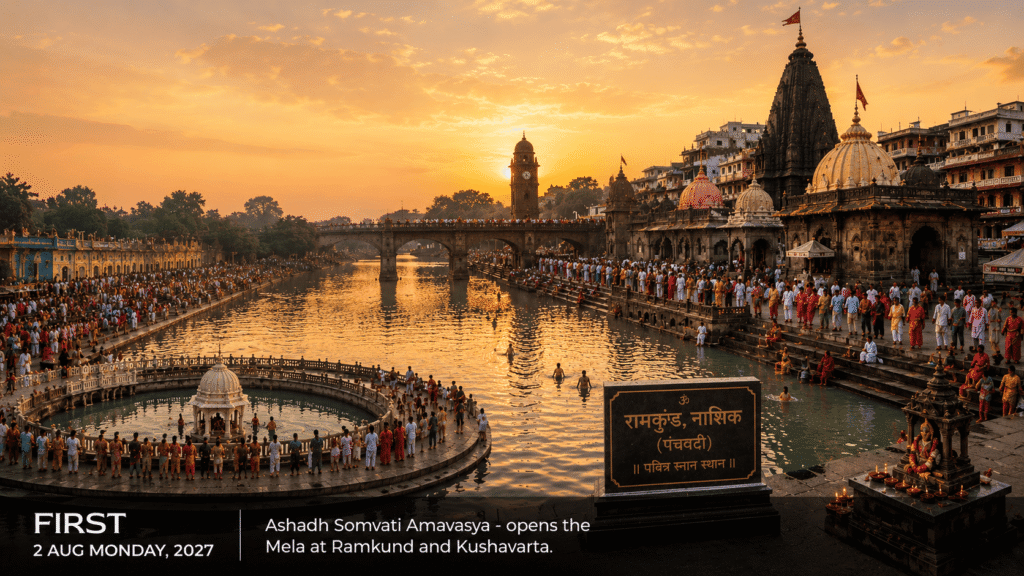
Nashik Simhastha Kumbh Mela
The Nashik Simhastha Kumbh Mela is one of the four legendary Kumbh Mela gatherings held in India (alongside Prayagraj,Haridwar, and Ujjain). Held once every 12 years, the festival occurs when Jupiter (Brihaspati) enters the zodiac sign of Leo(Simha Rashi), while the Sun and Moon occupy specific auspicious astrological positions.
The upcoming Simhastha Mela cycle spans approximately 21 months, formally starting on October 31, 2026, with peakritual activities occurring in July–September 2027, and concluding on July 24, 2028.
Other Events & Festivals


About Us
Shree Ganga Godavari Panchkothi Tirth Purohit Sangh
We represent the rich spiritual and religious traditions associated with the sacred Godavari River. The Sangh and its associated priests have an important role in guiding devotees through traditional Vedic rituals, pujas, ancestral cerem onies, and other religious observances in Nashik.With devotion to tradition and a spirit of Seva, the Purohit Sangh strives to assist pilgrims and families visiting the sacred places of Nashik and help them perform their religious ceremonies with proper guidance and reverence.
Our Commitment
Tradition – Preserving authentic Vedic customs and religious practices.
Devotion – Performing every ceremony with faith, sincerity, and reverence.
Service – Assisting devotees and families with care and compassion.
Guidance – Helping families understand the rituals, procedures, and traditional requirements.
Seva – Promoting the spirit of service and contributing to the welfare of the community.
Our vision
Our vision is to carry forward the spiritual heritage of Nashik and the Godavari while making traditional religious services accessible and meaningful for devotees from across India and around the world.With Faith in Tradition and a Spirit of Seva, We Welcome You to Sacred Nashik.
Our Sacred Offerings
We offer a range of traditional Vedic pujas, rituals, and spiritual services in the sacred land of Nashik. Each ceremony is performed with devotion, proper Vedic procedures, and sincere prayers, helping families honour their traditions and celebrate important spiritual occasions.
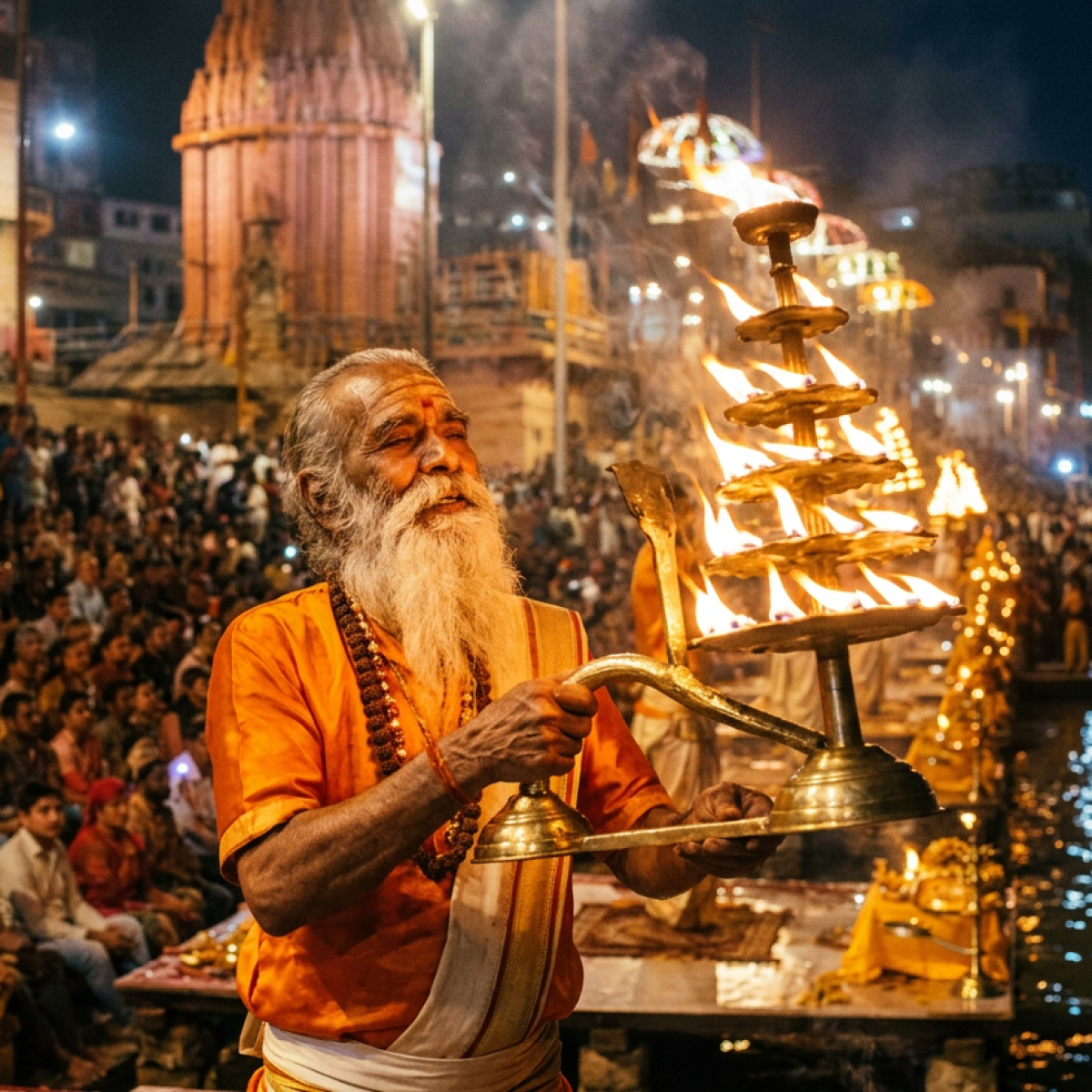
Ganga Godavari MahaAarti
The Ganga Godavari Maha Aarti is a sacred and spiritually uplifting prayer ceremony performed in reverence to the holy Godavari River. In Nashik, the Godavari is deeply connected with the spiritual traditions of Panchavati, Ramkund, and the ancient temples along its banks.
-Sacred River Aarti
-Vedic Mantras & Prayers
-Traditional Puja Vidhi
-Divine Spiritual Atmosphere
-At Sacred Godavari
Morning Vedic Puja & Havan
Begin your day with divine blessings through a sacred Morning Vedic Puja & Havan performed according to traditional Vedic rituals. Conducted in a serene and spiritual atmosphere, this ceremony includes the chanting of sacred mantras, offerings into the holy fire, and prayers for peace, prosperity, health, and spiritual well-being.
-Traditional Vedic Rituals
-Sacred Havan Ceremony
-Prayers for Peace & Prosperity
-Mantra Chanting
-Positive & Auspicious Beginning
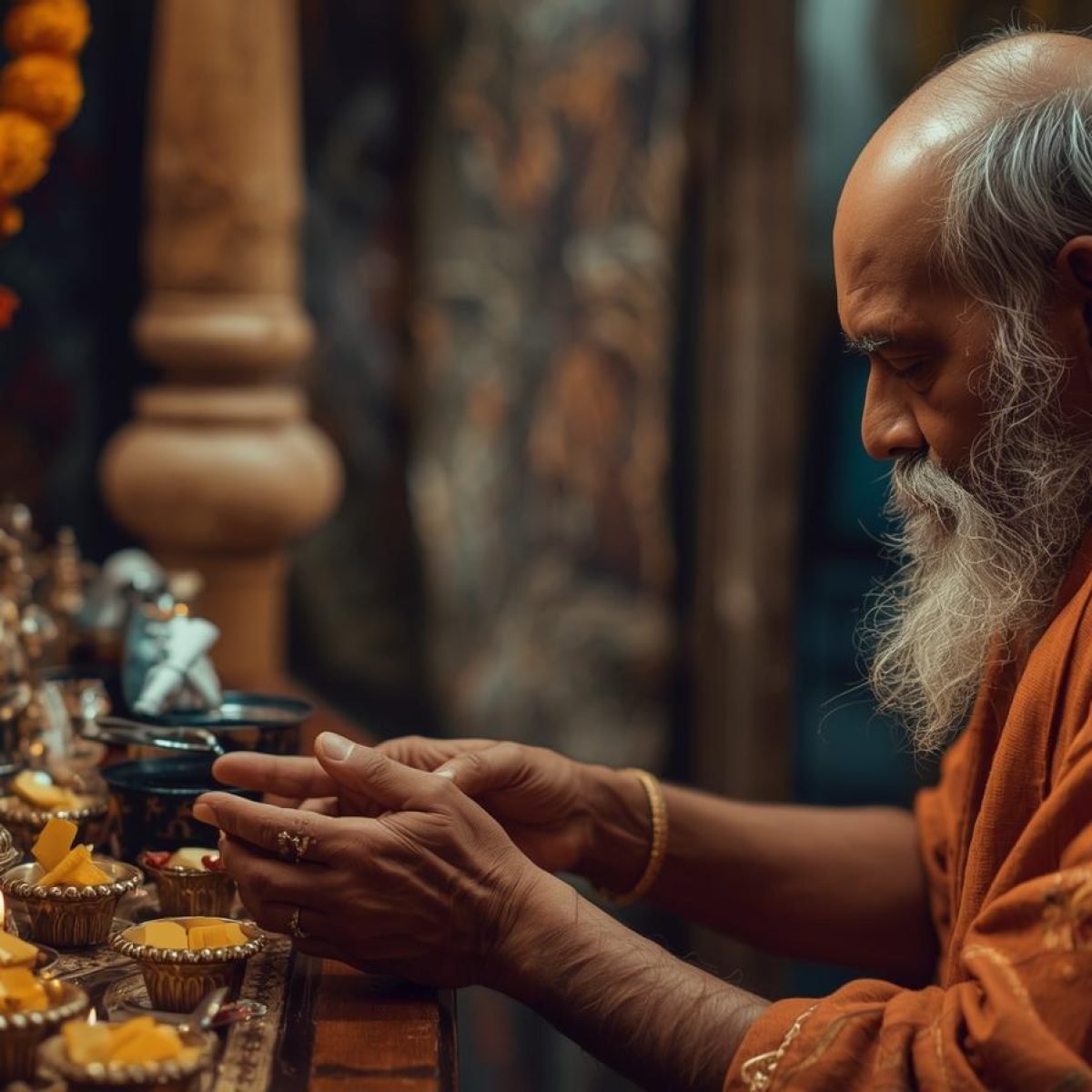
After Death Rituals
We, The Purohit Sangh provide guidance and priestly services for traditional Hindu after-death rituals and ancestral ceremonies in Nashik. These sacred rites are performed with श्रद्धा (faith), devotion, and respect for family traditions, helping loved ones carry out important ceremonies following the passing of a family member
-Traditional Vedic Rites
-Asthi Visarjan at Godavari
-Ekadashah & Dwadashah
-Shraddha & Pind Daan
-Tarpan
-Tripindi Shraddha
Social welfare
The Purohit Sangh is committed not only to preserving and performing traditional Vedic rituals but also to serving society through various social welfare and community initiatives. Through the spirit of Seva, the Sangh strives to support devotees, families, and members of the wider community during important and difficult times.
-Support for Families in Need
-Annadan & Food Seva
-Community Assistance
-Religious & Spiritual Seva
-Support for Pilgrims & Devotees
-Community Welfare
Holy Books
Our Holy-Books Vedas
The Vedic age began when the Sanskrit-speaking peoples began to dominate life and thought in the Indus Valley, probably between 2000 and 1500 BCE. Historians used to think that these Sanskrit-speaking peoples who called themselves Aryans came to the Indus valley in northwest India as conquerors some thirty-five hundred years ago. But recent scholarship has challenged this thesis of conquering Aryans. What we do know is that the earlier Indus culture, which flourished from 2500 to 1500 BCE, and which, judged by its archaeological remains, was quite sophisticated, declined at this time. We also know that the Vedic thought and culture reflected in the Rig Veda has a continuous history of dominance in India during the last thirty-five hundred years. It is likely that the cultural traditions of the Vedic peoples mingled with the traditions and customs of the Indus people.
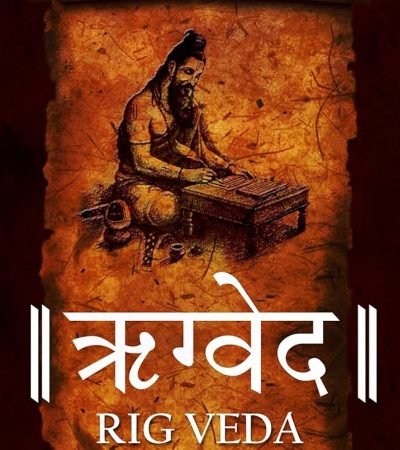
Rig-Veda
The Rig Veda is the oldest of the works comprised of 10 books (known as mandalas) of 1,028 hymns of 10,600 verses. These verses concern themselves with proper religious observance and practice, based on the universal vibrations as understood by the sages who first heard them, but also address fundamental questions regarding existence
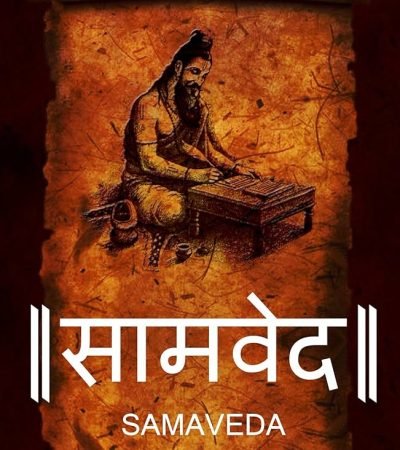
Sama-Veda
The Sama Veda (“Melody Knowledge” or “Song Knowledge”) is a work of liturgical songs, chants, and texts meant to be sung. The content is almost wholly derived from the Rig Veda and, as some scholars have observed, the Rig Veda serves as the lyrics to the melodies of the Sama Veda. It is comprised of 1,549 verses and divided into two sections: the gana (melodies) and the arcika(verses). The melodies are thought to encourage dance which, combined with the words, elevates the soul.
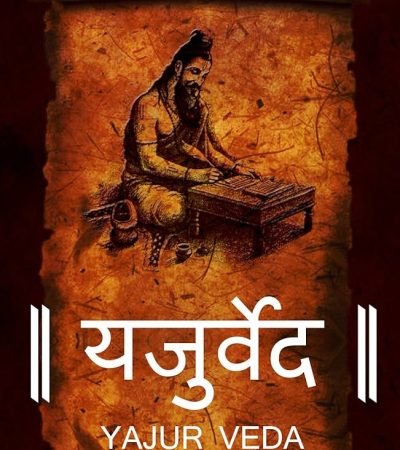
Yajur-Veda
The Yajur Veda (“Worship Knowledge” or “Ritual Knowledge”) consists of recitations, ritual worship formulas, mantras, and chants directly involved in worship services. Like the Sama Veda, its content derives from the Rig Veda but the focus of its 1,875 verses is on the liturgy of religious observances. It is generally regarded as having two “sections” which are not distinct parts but characteristics of the whole. The “dark Yajur Veda” refers to those parts which are unclear and poorly arranged while the “light Yajur Veda” applies to the verses which are clearer and better arranged.
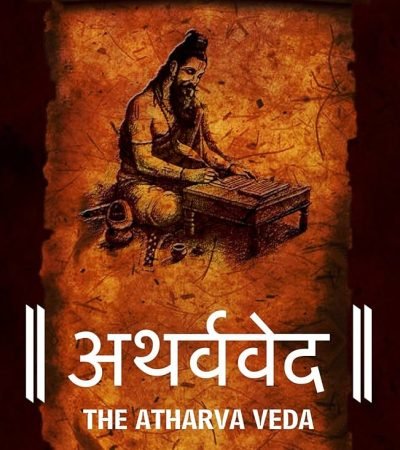
Atharva-Veda
The Atharva Veda (“knowledge of Atharvan”) differs significantly from the first three in that it concerns itself with magical spells to ward off evil spirits or danger, chants, hymns, prayers, initiation rituals, marriage and funeral ceremonies, and observations on daily life. The name is thought to derive from the priest Atharvan who allegedly was well-known as a healer and religious innovator. It is thought that the work was composed by an individual (possibly Atharvan but not likely) or individuals about the same time as the Sama Veda and Yajur Veda (c. 1200-1000 BCE). It is comprised of 20 books of 730 hymns some of which draw on the Rig Veda.
Temple
Hindus celebrate a number of other important festivals, including Diwali
Pandit
Hindus celebrate a number of other important festivals, including Holi
Puja
Hindus celebrate a number of other important festivals, including Diwali